
Lafoole Urban Walk: Reading the City Through Movement
Lafoole Urban Walk: Reading the City Through Movement
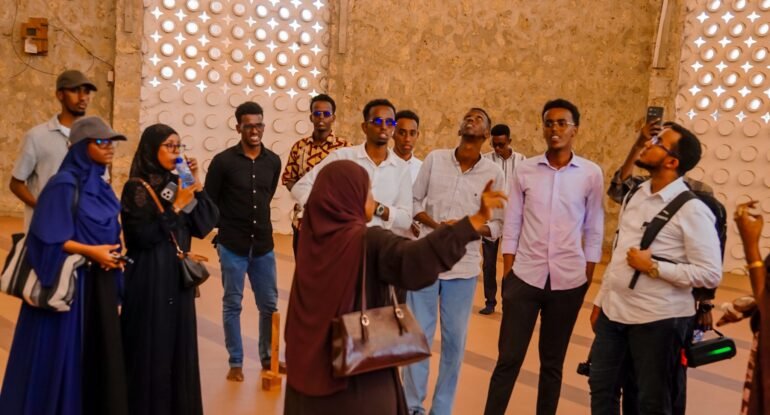
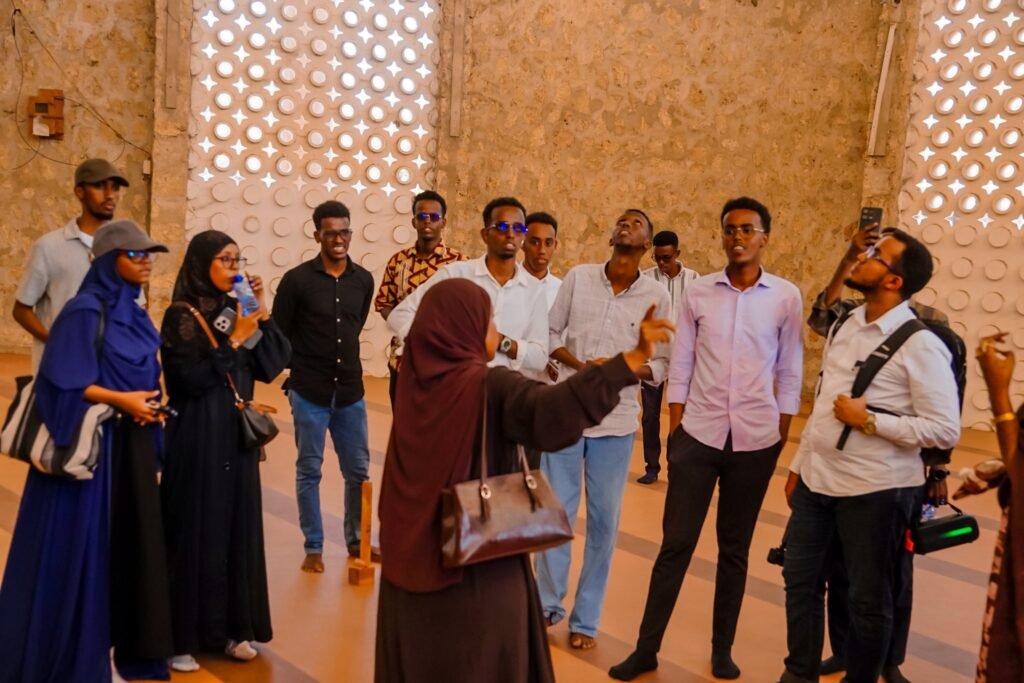
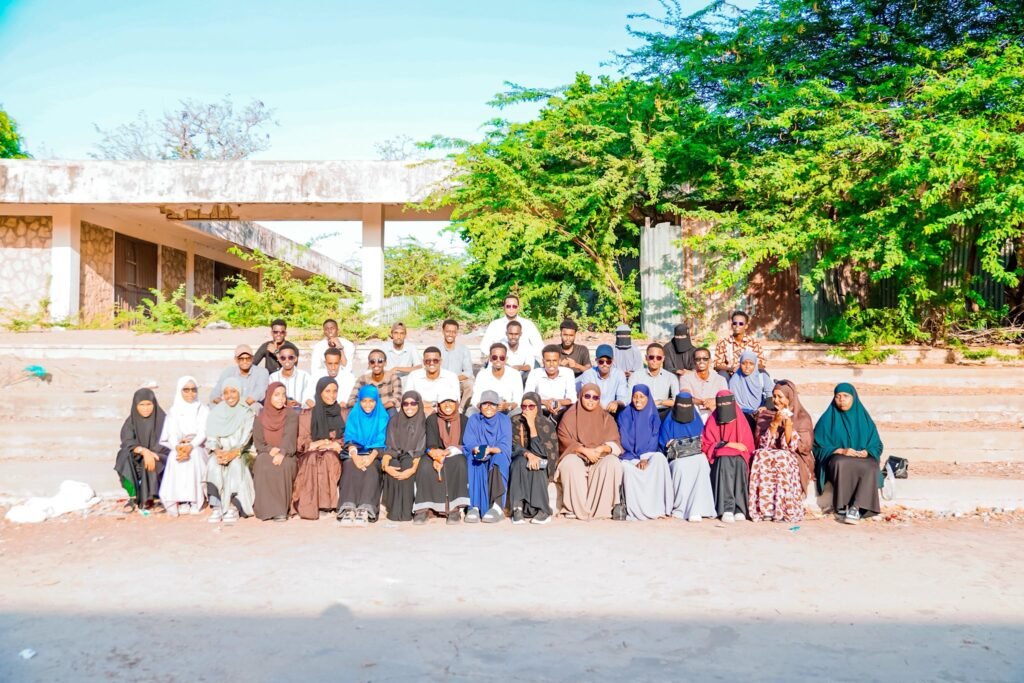
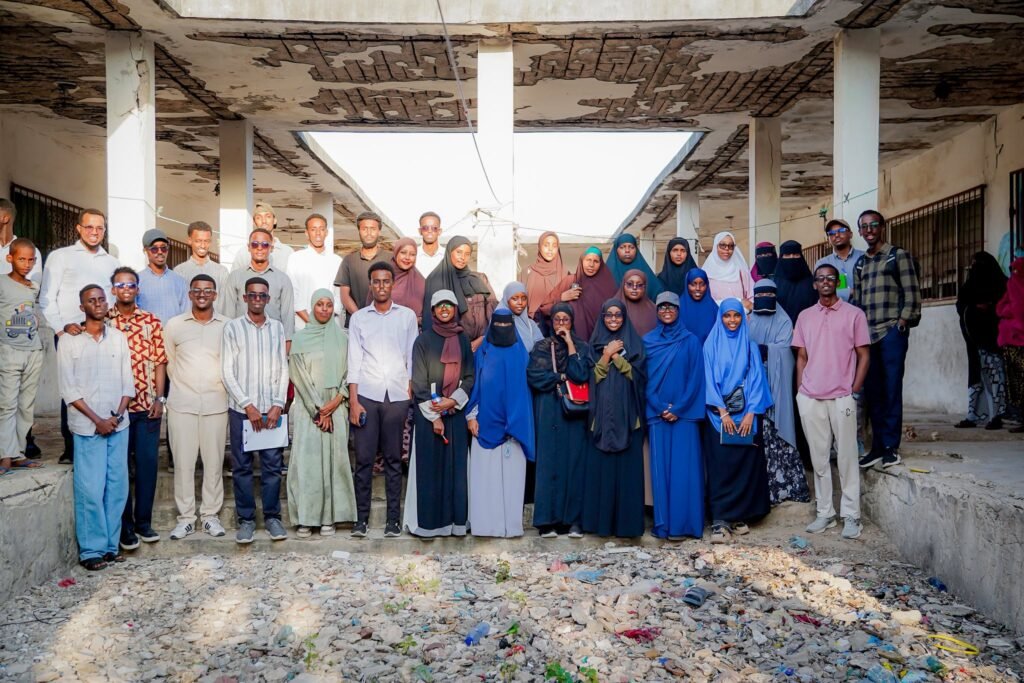
On December 18, 2025, the Somali Architecture and Planning Association (SAPA) organized the Lafoole Campus Urban Walk, bringing together professional architects, lecturers, senior engineers, and architecture students from universities across Mogadishu. The initiative built on previous urban walks and expanded the practice into SAPA’s first city-level architectural walk, open to the wider architecture community. For many participants, it was a new form of learning and engagement beyond offices, classrooms, and conventional academic settings.
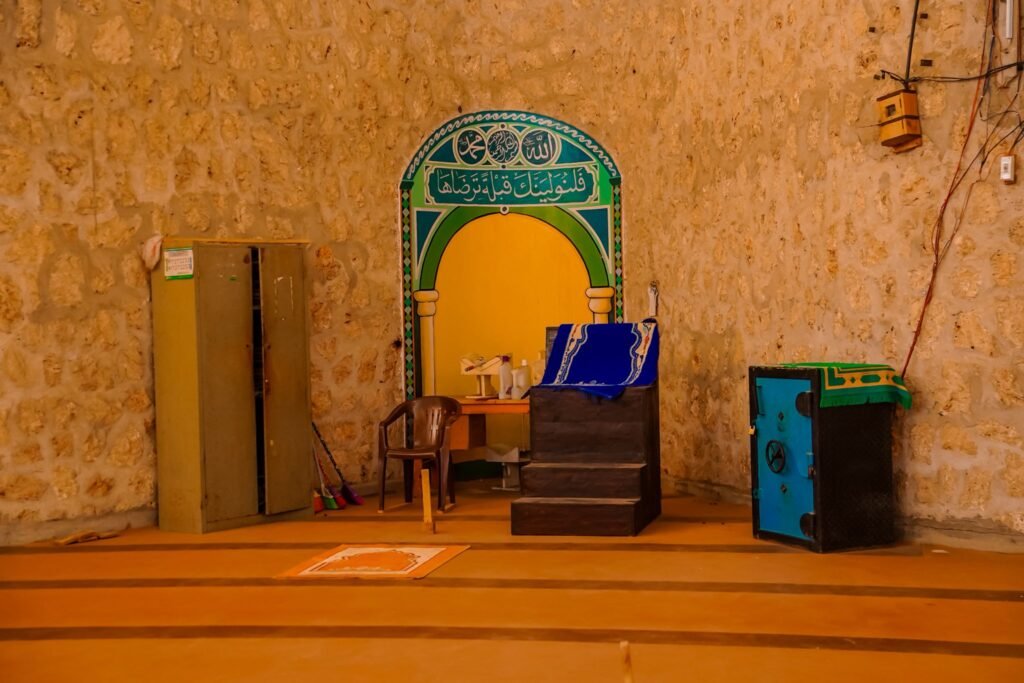
Conceived as a living exploration of memory, material, and space, the walk invited participants to experience the historic Lafoole campus through observation, urban sketching, photography, conversation, and collective reflection. Rather than approaching the site only as a physical environment, the program examined the memories, stories, and educational legacy embedded within it.
Program Highlights
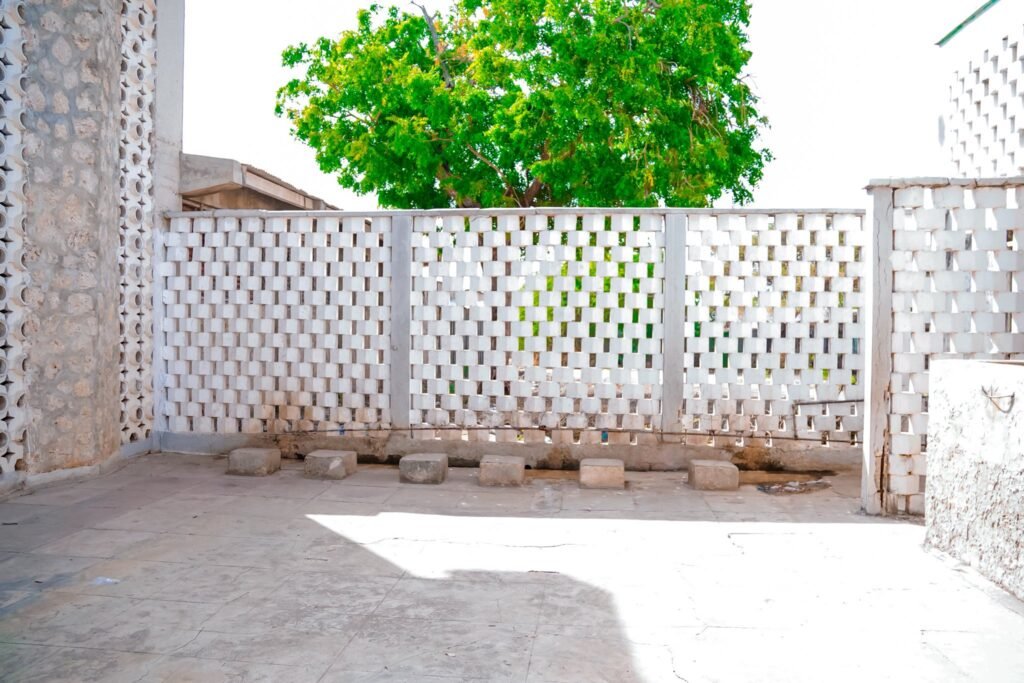
The program began with an introductory briefing by SAPA coordinators, outlining the walk as an exercise in architectural observation, documentation, and intergenerational dialogue. Participants were encouraged to study the campus through its buildings, landscape, materials, spatial organization, and changing condition.
Throughout the walk, architects and lecturers guided discussions on the architectural and historical significance of the campus. Students documented the site through photography and sketching while reflecting on questions of heritage, memory, neglect, continuity, and future reuse.
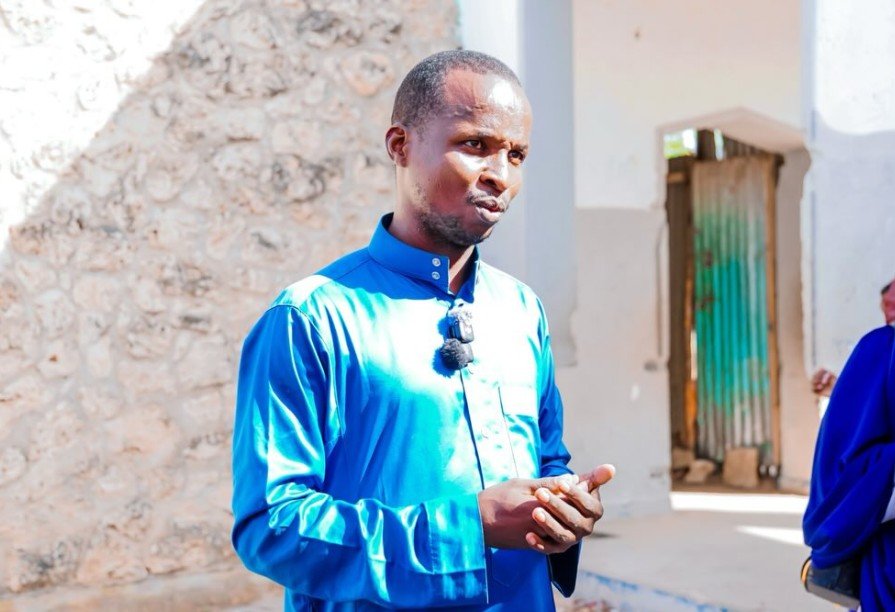
A central feature of the initiative was the exchange between the younger generation and members of the Lafoole community. Former lecturers, elders, and senior engineers shared personal experiences, stories, and reflections connected to the campus and its earlier role as a major centre of education and national development.
These conversations transformed the walk into a living archive, allowing participants to understand Lafoole not only through its surviving physical fabric, but also through the people who studied, taught, worked, and lived there. Their accounts reminded students of the campus’s former vitality and encouraged them to imagine the possibilities that remain for its future.
The open, cross-institutional format also created an opportunity for students, educators, and professionals from across Mogadishu to learn together and exchange perspectives outside their usual institutional environments.
Closing Remarks
The walk concluded with a group reflection session in which participants shared their observations, sketches, photographs, and key lessons from the experience.
SAPA representatives emphasized that architectural heritage is carried not only through buildings, but also through memory, oral history, community experience, and the relationships formed around places. Participants were encouraged to continue engaging critically with Somalia’s historic educational, architectural, and urban landscapes.



Conclusion
The Lafoole Campus Urban Walk marked the first in a series of SAPA-led walks intended to reconnect young architects with Somalia’s built heritage and the communities associated with it. By bringing together students, professionals, educators, elders, and members of the Lafoole community, the initiative created a meaningful space for observation, dialogue, and intergenerational learning. It demonstrated how walking can serve as a method of architectural education, heritage documentation, and collective remembrance.
SAPA extends its appreciation to all participants, speakers, community members, and collaborators who contributed to the success of the event. The association remains committed to creating platforms that connect architectural education, professional practice, heritage, and public life in Somalia.
For more updates on future events, please visit our website.